Before Sunday afternoon, Anfield had not felt this kind of sadness in years. The atmosphere was heavy, and the fans were restless. Liverpool had just lost their fourth consecutive match — something that hadn’t happened since the final days of Brendan Rodgers in 2014. It was more than just a bad run; it felt like a painful echo of the past, a haunting reminder of how quickly a bright project could begin to crumble when the cracks start showing. Back then, Rodgers’ Liverpool had nearly touched glory with Luis Suárez leading the charge, but once the Uruguayan left for Barcelona, the magic disappeared. Defeats came in waves — Newcastle, Real Madrid, Chelsea, Crystal Palace — and within a year, Rodgers was gone. Now, more than a decade later, history seems to be whispering the same dangerous warning, this time to Arne Slot.
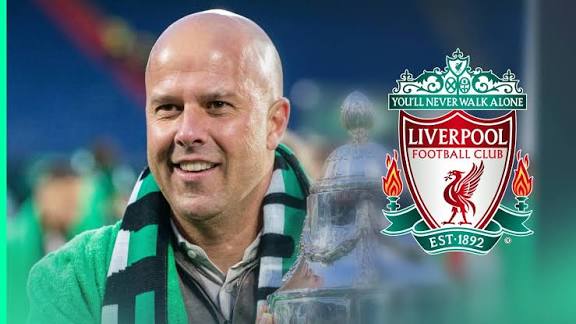
Arne Slot, the Dutch manager who came in with so much promise, looked lost on the touchline as Liverpool fell 2–1 to Manchester United at Anfield. The same fans who once celebrated him as the man who brought the Premier League title back to Anfield in his debut season were now murmuring doubts. Could it really be happening again? Could Liverpool, a club known for loyalty and stability, even think about sacking Arne Slot just one year after he delivered glory?
For now, that question seems unthinkable. But football has a way of testing patience, especially when expectations are sky-high. Liverpool are not the underdogs anymore — they are champions. And champions are not allowed to collapse so easily.
The defeats have come in almost identical ways. Liverpool fall behind early, fight back with spirit, then lose it all again in the dying moments. It happened against Manchester United, it happened in Europe against Galatasaray, and it happened in the league matches before that. These are not humiliating losses where Liverpool are destroyed from start to finish. No, they are painful, tight games where something deeper feels wrong — a loss of control, of purpose, of rhythm. The kind of things that make fans worry that their team has forgotten who they are supposed to be.
Slot’s Liverpool no longer play with the same certainty that once terrified opponents. There is no clear plan, no defined identity. Even in victories earlier this season, the performances looked shaky. Every win felt like an escape rather than a triumph. The pressing was half-hearted, the defence unsure, and the attack often disconnected. It was as though the team no longer knew what system they were meant to be playing. And that, many fans believe, is on Arne Slot.
It’s too early for panic — but football doesn’t wait forever. If this losing streak turns into five, six, or even seven games without a win, the boardroom at Anfield will start asking serious questions. Slot may have earned the right to patience, but patience has limits when the club’s ambitions are so high.