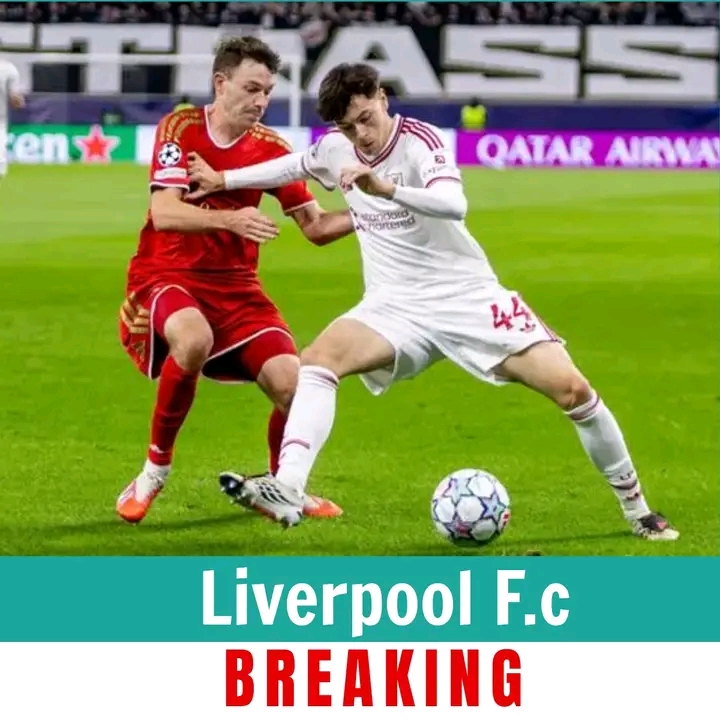
Liverpool left Austria with three points after a 6-3 Champions League victory over LASK on Wednesday, yet the result carried a clear sense of unfinished business. The Reds dominated the opening hour, racing into a four-goal lead and appearing completely in control against hosts who looked outmatched.
Two further goals followed for the visitors, but three second-half replies from LASK ensured the final scoreline was far more open than the first-hour performance had suggested.The early dominance was emphatic. Liverpool scored the game’s first four goals and dictated play with authority.
Only after the hour mark did the contest become more competitive, as LASK found a way through and scored three times to reduce the deficit and inject late tension into the evening.
Liverpool manager Andoni Iraola offered a straightforward explanation for the defensive lapses that allowed the hosts back into the match. He pointed directly to the decision to withdraw both starting centre-backs, Jeremy Jacquet and Ronald Araujo, in the 61st minute.
“[That’s] probably the reason why the manager shouldn’t change both centre backs, but we were already winning 4-0 and you have to think about the next game and saving the legs of the players,” Iraola said.
“We didn’t defend properly at the end of the game.”The double substitution, made with a comfortable lead and an eye on upcoming fixtures, disrupted the defensive organisation that had looked solid earlier.
What had been a controlled and dominant display became more open, allowing LASK to capitalise and score three times in the closing stages.
Leave a Reply